If you’re driving a Ford, GMC, or Mazda, your suspension’s shock absorbers are basically the unsung heroes of a smooth ride. They don’t get the love that flashy infotainment systems or turbocharged engines do, but without ’em, every pothole, speed bump, and random road ripple turns your commute into a shaky, nerve-wracking experience. As someone who’s worked in Ford, GMC, Mazda chassis and suspension supply for over a decade, I’ve seen way too many drivers ignore warning signs only to end up with way costlier repairs—like worn tires, bent rims, or even brake issues, because bad shocks throw off your whole truck or car’s balance. For Ford GMC Mazda Chassis and Suspension Systems
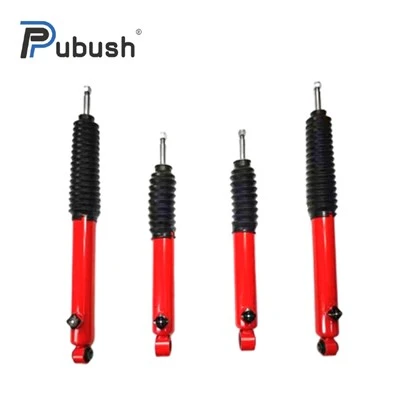
First off, let’s keep this real: you don’t need a fancy scan tool or a dealership tech to spot bad shocks. Most red flags are things you’ll feel, hear, or see while driving or checking your car. Let’s break down the stuff you can notice right now, no tools needed.
The first big one is that “floaty” or “squirmy” ride. If your car or truck feels like it’s bobbing up and down way more than it used to when you hit a bump, that’s a classic shock killer. Let’s test this right now: find an empty parking lot with a slight incline, pull up to 10-15 mph, and brake hard. If your nose dives way forward and keeps bobbing for two or three seconds after you stop? That’s your shocks not doing their job. Good shocks should stop that bounce almost immediately—like, one and done. I once had a Mazda CX-5 driver come in complaining their ride felt like a boat on choppy water; when we checked, their front shocks were so worn they’d lost 60% of their damping capacity. They told me they thought it was just “car age,” not a part that was on its way out. For Ford F-150 or GMC Sierra owners, this is extra noticeable because those are work trucks built to carry weight—bad shocks will make them feel tippy, especially if you’ve got a load in the bed.
Next, uneven tire wear. This one’s easy to miss because it’s gradual, but it’s a dead giveaway. If you grab a tire and run your hand along the tread, and one side is way more worn down than the other, or there’s patchy, cupped wear (like little divots across the tread), that’s almost always bad shocks. Here’s why: good shocks keep your tires pressed flat to the road constantly, especially when you’re turning or hitting bumps. If they’re shot, the tires bounce around, so they don’t make even contact. We see this all the time with Ford Escape and Mazda CX-5 drivers—their front tires wear on the outer edges in just 20k miles, when they should last 50k+. If you’re rotating your tires every 5k miles and still seeing weird wear, shocks are the first thing to check, not just alignment. You don’t want to replace tires way sooner than you need to, right? That’s a quick cost that adds up fast.
Then there’s the “clunking” or “rattling” noise when you hit small bumps. If you’re rolling over a speed bump or a manhole cover and you hear a dull clunk from the front or rear of your car, that’s shocks (or related suspension parts, but mostly shocks) struggling. A lot of people write this off as “old suspension noises,” but it’s not normal. Good shocks are quiet—they absorb the impact, not make noise. We had a GMC Terrain owner last month who thought his noise was just a loose muffler, until we pointed out the clunk was coming from the upper shock mount, which was worn because the shock itself was gone. For Ford Super Duty owners who use their trucks for towing, this is even worse—extra weight puts more stress on shocks, so that noise will get way louder if you ignore it.
Another test you can do in your driveway: the “bounce test.” It’s super simple, no tools. Stand at the front of your car, push down hard on the hood, let go, and count how many times it bounces. Do the same at the rear, on the trunk or back bumper. If it bounces more than twice after you let go? Your shocks are toast. Good shocks will bring the car back up and stop it immediately—one bounce, max two. I’ve had drivers tell me they did this test and only bounced once, but wait ’til they showed me their car—they didn’t push hard enough. Push with all your weight, by the way. If you’re a smaller person, get a buddy to help. This test works for every Ford, GMC, Mazda out there, from compact cars to heavy-duty trucks.
Wait, what about when you’re braking at highway speed? If your car pulls to one side when you hit the brakes, or you feel a vibration through the steering wheel? Bad shocks can cause that too. Because when you brake, the weight shifts to the front, and good shocks keep that weight balanced. If one front shock is way worn, that side will dive more, making the car pull left or right. We see this a lot with Mazda 3 drivers after they’ve had their car for 60k miles—their shocks wear unevenly, leading to brake pull that makes alignment way trickier. If you’ve had a few alignments and it still pulls, check shocks before you spend more money on alignment parts.
Now, let’s talk about when shocks might feel fine but are still bad, because not all issues are visible or audible. If your car leaks fluid? That’s a dead giveaway. Modern shocks are gas-charged, so if you see shiny, oily residue on the shock body, that’s seal failure. Old shocks used to have oil leaks, but even gas-charged ones can develop leaks. A lot of people ignore small amounts of oil, but that means the shock can’t hold pressure, so it’s not damping anymore. We had a Ford Ranger owner who said his ride felt normal—until we pointed out the rear shocks were leaking so bad the oil dripped onto his brake lines. He didn’t even notice, because he never looked under his truck. Pro tip: once a month, pop the hood (or, if it’s a truck, check under the rear bumper) and take a quick look at the shock bodies. No messy oil = good, slight dampness is maybe fine, heavy dripping = replace soon.
Also, if you notice your steering is less responsive? Like, when you turn the wheel, it feels loose, or the car doesn’t react as fast as it used to when you’re swerving to avoid a pothole. Bad shocks kill steering feel because they let the wheels move too much, so your steering input doesn’t transfer properly. This is super dangerous, especially at highway speed. For GMC Acadia or Ford Explorer drivers who use their SUVs for family trips, this is a big safety thing—you need your steering to be crisp, especially with a full car of people.
Let’s clear up a common myth: newer cars don’t have issues with shocks, right? Wrong. Even brand new Mazdas and Fords can get worn shocks if you do a lot of off-roading, or carry heavy loads regularly, or drive on rough roads every day. I’ve seen a 2022 Mazda CX-5 come in at 30k miles with worn shocks, because the owner drives a gravel road to work every day. Shocks aren’t just for old cars—they’re wear parts, just like brake pads or tires, so they need replacing every 50k to 100k miles, depending on how you drive.
Another thing: if you’ve recently replaced other suspension parts, like ball joints or tie rods, and your ride still feels off, check your shocks. Those parts work together, so if shocks are bad, they’ll wear out other parts faster. We always tell customers: when you do any suspension work, make sure to check shocks at the same time, so you don’t have to do the job again in 6 months.
Now, let’s wrap this up with what to do if you spot these signs. As a supplier for Ford, GMC, Mazda chassis and suspension parts, we stock everything from stock replacement shocks to heavy-duty options for trucks that tow or carry big loads. If you notice any of the stuff I talked about—floaty ride, weird tire wear, clunking noises, failed bounce test, fluid leaks, loose steering—don’t wait. Bad shocks don’t fix themselves, and ignoring them will lead to more expensive repairs down the line, like bent rims, brake damage, or even unsafe handling.

If you need to grab replacement shocks for your Ford, GMC, or Mazda, we’ve got the right parts for your model, no guesswork. Whether you’re a DIY mechanic or a shop owner, we make it easy to get the parts you need fast. Don’t let bad shocks turn your smooth commute into a headache—reach out to connect on sourcing the right suspension parts for your vehicle.
Suspension Systems By Model References:
- Automotive Suspension Systems: Principles, Design, and Application (2nd Edition), Society of Automotive Engineers, 2017
- Tire Wear Patterns and Their Causes, National Highway Traffic Safety Administration, 2020
- Ford Motor Company Chassis and Suspension Maintenance Guidelines, Ford Motor Company, 2021
- General Motors GMC Suspension Service and Repair Manual, General Motors LLC, 2022
- Mazda Chassis Component Wear and Replacement Schedule, Mazda Motor Corporation, 2023
Xingtai Refined Machinery and Auto Accessory Co., Ltd.
Xingtai Refined Machinery and Auto Accessory Co., Ltd. is one of the most professional for ford gmc mazda chassis and suspension systems manufacturers and suppliers in China, featured by quality products and low price. Please rest assured to wholesale durable for ford gmc mazda chassis and suspension systems made in China here from our factory. Customized orders are welcome.
Address: XINGTAI REFINED MACHINERY AND AUTO ACCESSORY CO., LTD507 NORTH TAIHANG ROAD, XINGTAI CITY, HEBEI PROVINCE, PR.
E-mail: lindy@rfauto.biz
WebSite: https://www.pubush-suspension.com/
