Hey there, General Components
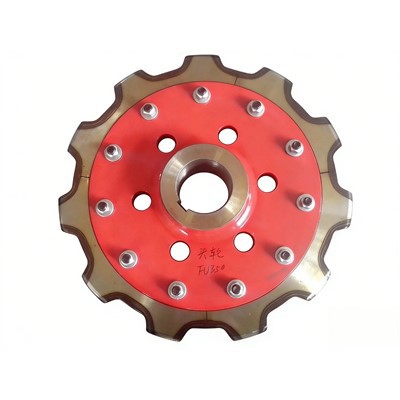
If you’re running a factory, facility, or even a small shop floor, you know how much energy drains those “general components” take. Things aren’t just motors, pumps, valves, or fans—they’re the backbone that keeps operations rolling, and if any of ’em are wasting energy, that’s cash down the drain. As someone who’s been in the general components game for over a decade, I’ve seen too many folks write these parts off as “one-size-fits-all” or “set-it-and-forget-it,” but optimizing their energy efficiency is way simpler than you think. Let’s break this down without the jargon—no fancy textbook terms, just stuff that works for real teams.
First off, let’s talk about the biggest culprit: mismatched components. I can’t tell you how many times I’ve walked into a plant and seen a 10-horsepower motor powering a pump that only needs 5. That motor’s running at half load, which is terrible for efficiency. Motors suck up almost 70% of industrial electrical energy, so getting the right size is non-negotiable. Way back, when I was out visiting a food processing client, they thought “bigger is better” for their conveyor system. Turns out their old motor was pulling 12kW when it only needed 6kW—we swapped it for a properly sized premium-efficiency motor, and they cut their motor-related energy use by 45% in three months. Premium-efficiency motors aren’t some expensive luxury either; yeah, they cost a bit upfront, but the payback is usually under 18 months. We’ve had clients recoup the cost in just 9 months for high-usage setups.
Next up, regular maintenance that’s not just “changing the oil.” Let’s take pumps, for example. If impellers are worn or pipes have hidden leaks, that pump’s working way harder than it should. I had a manufacturing client with a faulty valve on their cooling loop—they didn’t notice a small leak for six months, and their pump was running 24/7 at 120% load. We fixed the valve, did a quick impeller inspection, and their energy bill for that system dropped 28% right away. And don’t sleep on alignment! Misaligned motors and pumps create extra friction, which means wasted energy and shorter part life. We recommend checking alignment every quarter—small task, big impact. For fans, cleaning air filters isn’t just good for air quality; clogged filters force fans to work harder, wasting 15-20% of their energy. It’s a no-brainer.
Then there’s smart controls. Most general components run nonstop when they don’t need to. Fans and pumps that run at full speed when only 70% is needed? That’s a ton of waste. Variable frequency drives (VFDs) are game-changers here. They let you adjust the speed of motors based on actual demand. We installed VFDs on a client’s exhaust fans in a warehouse—they used to run flat out even at night when the warehouse was half empty. With VFDs, they dimmed the speed to match occupancy, and cut fan energy use by 38%. VFDs aren’t just for big industrial stuff either; we’ve put them on smaller pumps for small businesses and they work just as well. Also, scheduling downtime for components—shutting off non-critical motors during breaks or shifts when they’re not needed—sounds basic, but it’s the quickest win. We had a retail client who forgot to turn off their storefront signage motor overnight; adding a simple timer saved them 10% on monthly energy costs without touching their main operations.
Wait, what about older components? If you’ve got 20-year-old motors hanging around, they’re probably only 70-80% efficient, versus 95%+ for new premium models. We get it, replacing everything at once is a big cost, but a phased approach works. Replace the oldest, highest-usage components first. A bottling plant I worked with had 12 old motors—we replaced the four that ran 24/7 first, and then did the rest over two years. Total energy savings ended up being 32% across the whole facility, and they didn’t blow their budget in one go. Also, retrofitting isn’t just for motors—upgrading valves to ball valves instead of gate valves can reduce flow resistance, cutting pump energy use by 10-15%. Small retrofit, big difference.
Another thing: proper sizing of auxiliary components. Let’s say you’re running a compressed air system, which is super common in factories. Your air compressor’s air line size matters a ton—if the pipes are too narrow, you get pressure drops, which makes the compressor work harder to make up for it. We had a metal stamping client with 1-inch air lines; we swapped them for 2-inch lines, and their compressor energy use dropped 12%. Pressure regulation is key too—most facilities run their compressed air at 100 PSI when they only need 80. Lowering that by 20 PSI can save 8% on compressor energy. It’s a tiny adjustment, but adds up fast.
Oh, and data! You can’t fix what you don’t measure. A lot of teams don’t track component-specific energy use—they just look at the total bill. We help clients install basic energy monitors on their motors and pumps, which shows you exactly which parts are wasting energy. For a client in the packaging industry, their monitor showed one of their conveyor motors was spiking energy use every Friday at 3PM. Turned out the conveyor’s bearing was seized—they fixed it, and that motor’s energy use dropped 22%. Small data tweaks, huge wins.
I know, some of this sounds like work, but it’s not rocket science, and it pays for itself fast. The best part? You don’t have to overhaul everything at once. Start with one or two components that run the most, test it, and scale. If you’re not sure where to start, we work with all kinds of facilities—from small shops to big factories—and we can help you audit your current components, suggest the right upgrades, or even supply the efficient parts you need. We’re not here to push the most expensive stuff; we’re here to help you save money long-term.

If you’re tired of throwing cash at energy waste from your general components, let’s chat. We can walk through your setup, point out the low-hanging fruit, and get you on track to cut energy costs without sacrificing performance. Don’t let those hidden energy drains keep weighing you down—reach out to start optimizing today.
Scraper Feeder Chain References
- U.S. Department of Energy, “Industrial Motor Systems Energy Assessment Guide,” 2022
- International Energy Agency, “Energy Efficiency of Industrial Pumps, Fans, and Compressors,” 2021
- Institute of Industrial and Systems Engineers, “Best Practices for General Component Energy Optimization,” 2023
Zhejiang Hangte Chain Transmission Co., Ltd.
We are one of the most experienced general components manufacturers and suppliers in China since 1999. Please rest assured to buy high quality general components made in China here from our factory. If you have any enquiry about cooperation, please feel free to email us.
Address: No. 195 Qinglin East Street, Qingshan Lake Subdistrict, Lin’an District, Hangzhou City, Zhejiang Province
E-mail: hangtechain@gmail.com
WebSite: https://www.chinahtchain.com/
