If you’ve ever worked with industrial storage, chemical transport, or even DIY large-scale projects, steel barrels are workhorses you can count on. As a steel barrel supplier, I get asked all the time by clients—from small fabricators to logistics firms—how to paint their steel barrels right. The truth is, a good paint job doesn’t just make a barrel look clean; it prevents rust, extends the barrel’s lifespan, and ensures it’s safe for whatever you’re storing or shipping. Too many people skip the prep and end up with peeling paint, corroded barrels, or even regulatory issues for hazardous materials. I’ve spent years refining this process for my own barrels, and today I’m breaking down exactly how to do it properly. Steel Barrel
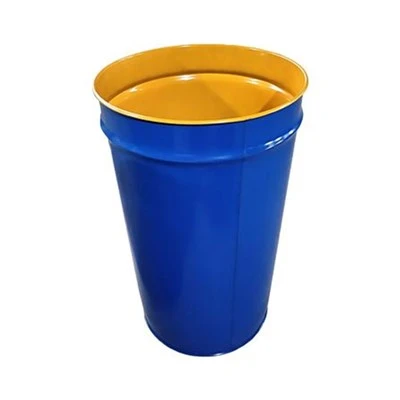
First, let’s talk why painting a steel barrel isn’t just spray-and-pray. Steel is porous, reactive with moisture and oxygen, and if you don’t prep it right, paint will never adhere. Rushing into painting leads to costly reworks, damaged inventory, and wasted time. For businesses using steel barrels, a flawed paint job can also lead to lost goods, compliance fines for chemical storage, or even safety hazards. That’s why I always emphasize that prep is 80% of a good paint job. Let’s start at the beginning.
Step 1: Gather the Right Materials (I’ve Tried the Cheap Ones—Don’t Waste Your Time)
Before you touch a brush or sprayer, you need the right supplies. Skimping here will cost you later. Here’s what I recommend:
- Wire brush or angle grinder with a wire wheel: For removing loose rust, old paint, and debris. A regular wire brush works for small batches, but an angle grinder cuts down time for industrial scale.
- TSP substitute or degreaser: Not dish soap—dish soap leaves a residue that repels paint. TSP (trisodium phosphate) is a traditional choice, but TSP substitutes are safer for indoor use and won’t leave a film.
- Sandpaper: 80-grit for roughing up the steel, 220-grit for a smooth finish. For large barrels, a orbital sander saves time.
- Rust converter: Only use this if you have light rust spots. It turns rust into a stable primer that paint can stick to—worth it for touch-ups.
- Primer: Oil-based or zinc-rich epoxy primer is best for steel. Oil-based adheres well, but zinc-rich primer adds extra corrosion protection—critical for barrels that will be outside or hold moisture.
- Paint: For general-purpose storage, acrylic latex paint works. For hazardous materials or outdoor use, 100% acrylic or epoxy paint is non-negotiable. Avoid latex paint over oil primer—they don’t bond.
- Safety gear: Goggles, respirator (for spray paint or chemicals), gloves, and old clothes. Steel dust, paint fumes, and rust can damage your health if you’re not careful.
I always keep a stock of these materials on hand for clients who pick up barrels from my warehouse—way too many show up with a can of acrylic paint and a brush, ready to do a half-baked job.
Step 2: Prep the Barrel—The Most Important Part Most People Skip
Prep is where 90% of paint jobs go wrong. Let’s walk through this step-by-step, no shortcuts:
- Empty and clean the barrel thoroughly: If it’s a used barrel, you can’t skip this. Residual oil, chemicals, or food waste will make paint peel. For non-hazardous used barrels, pressure wash with a degreaser, let it soak for 15 minutes, then rinse with a power washer (1500-2000 PSI works best). For barrels that held hazardous materials, you’ll need to follow OSHA guidelines for decontamination—no exceptions. Even a tiny amount of leftover fuel will break down paint over time. For new barrels, wipe them down with a degreaser to remove mill oil (the thin film factories use to prevent rust during shipping) and let them dry completely.
- Remove old paint and rust: For used barrels, take your wire brush or angle grinder and scrub all loose paint, flaking rust, and debris. Pay extra attention to seams, bungs, and the bottom of the barrel—moisture collects there, so rust starts first. If there’s light surface rust (no pitting), use 80-grit sandpaper to rough up the area, then wipe away dust. If there’s heavy pitting, you’ll need to grind it down to bare steel—no amount of primer will stick to a pitted surface.
- Neutralize and dry: After scrubbing, wash the barrel again with TSP or a degreaser to remove all dirt, oil, and rust dust. Rinse thoroughly, then let it dry completely in a well-ventilated area. I can’t stress this enough—painting a damp barrel will trap moisture under the paint, causing rust from the inside out. Give it at least 24 hours to dry, even if it feels dry to the touch.
- Treat remaining rust: If you have small rust spots left, apply a rust converter according to the manufacturer’s instructions. It will turn the iron oxide into a hard, black layer that’s compatible with primer. For heavy rust, it’s better to replace the barrel than paint over it—pitting weakens the steel, which is a safety risk for heavy contents or long-term storage.
Step 3: Apply Primer—Don’t Skip This Either
Primer is the glue between steel and paint. Skipping primer is like trying to stick a poster to a greasy wall— it won’t last. Here’s how to apply it correctly:
- Choose the right primer: As I mentioned earlier, zinc-rich epoxy primer is my go-to, especially for barrels that will be used outdoors or hold liquids. It adds a sacrificial layer that corrodes instead of the steel, extending the barrel’s life by years. For general indoor use, oil-based primer works fine.
- Apply evenly: Use a brush for edges (seams, bungs) and a roller or sprayer for the main surface. If you’re using a sprayer, wear a respirator and mask off any areas you don’t want paint on. Apply a thin, even coat—too thick and it will drip or peel. Let the primer dry according to the can’s instructions, usually 12-24 hours. For a second coat, sand lightly with 220-grit sandpaper to smooth any brush strokes, then wipe away dust before painting.
Last year, a client came to me with a batch of barrels he’d painted for a food storage project—he’d skipped primer, and within 3 months the paint was peeling so bad the contents were contaminated. I had to replace all his barrels, which cost him more than if he’d done the primer step right. Don’t make that mistake.
Step 4: Paint the Barrel for Longevity
Now it’s time for the topcoat. The type of paint you use depends on the barrel’s purpose, so choose wisely:
- General-purpose storage (non-hazardous, indoor): Acrylic latex paint is affordable, easy to apply, and comes in lots of colors. It’s not as durable as epoxy, but it works for short-term use.
- Outdoor storage or hazardous materials: 100% acrylic or epoxy paint is mandatory. Epoxy is chemical-resistant and won’t peel when exposed to rain or chemicals, while acrylic is UV-resistant so the color doesn’t fade in sunlight.
- Food-grade barrels: Make sure your paint is FDA-approved for food contact—regular paint can leach chemicals into food, which is a health hazard.
How to apply the topcoat:
- Use the same method as primer: brush edges, roller or sprayer for the main surface. Apply two thin coats, waiting 24 hours between each coat. Let the final coat cure for at least 72 hours before using the barrel. This gives the paint time to harden fully, so it won’t scratch or smudge when you fill the barrel.
Step 5: Post-Painting Care to Keep Your Barrel Looking Great
Even the best paint job won’t last if you mistreat the barrel. Here are a few tips to extend the paint life:
- Store painted barrels in a dry, covered area if possible—outdoor exposure (extreme heat, cold, heavy rain) will break down paint faster.
- Don’t drag or drop barrels, as this can scratch the paint and expose steel to moisture.
- If a small area gets scratched, touch it up immediately—don’t wait for rust to form. A quick sand, prime, and paint will save you from repainting the whole barrel later.
Now, a quick note for business owners: if you’re ordering new barrels from a supplier (hello, that’s me!) and you want a factory-painted finish, ask about electrostatic painting. It’s a process where paint is charged so it adheres evenly to steel, creating a smoother, more durable finish than DIY painting. I offer electrostatic painting on all my barrels for bulk orders—clients save time and money, and the finish lasts twice as long as hand-painted barrels.
Wait, you might be wondering: can I paint a used barrel that’s already been painted? Absolutely, but you have to do the same prep work—strip all old paint down to bare steel, prime, and paint. If you just paint over old, peeling paint, it will all come off together.
Common Mistakes to Avoid (I See These Every Day)
Let’s wrap this up with the mistakes that I see clients make over and over:
- Skipping prep: I’ve said it twice, but it’s the #1 mistake. A client last quarter tried to paint a rusty barrel without sanding, and within a month the whole paint job was peeling. Don’t cut corners here.
- Using the wrong paint: Using regular interior latex on a barrel for chemical storage is a recipe for disaster. The paint will dissolve, leaving steel exposed and your contents at risk.
- Painting in a damp area: If you’re painting outside on a humid day, moisture will get trapped, leading to rust. Wait for a dry, mild day (50-85°F is ideal) to paint.
- Rushing drying time: Most people paint a second coat the same day, or use the barrel the next week. Give the paint and primer time to cure—this is what makes the finish durable.
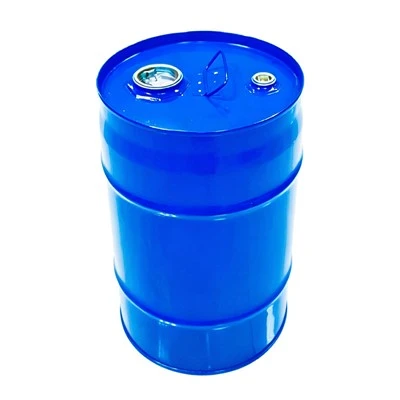
At the end of the day, painting a steel barrel is a mix of care and the right materials. It’s not complicated, but it does require patience. If you’re a small business with a few barrels to paint, follow these steps and you’ll have a durable, long-lasting finish. If you’re a larger operation with bulk needs, let’s talk— I can help you choose the right barrel, and even offer custom painted options to match your brand.
Steel Barrel If you’re in the market for steel barrels, whether new, used, or custom painted, reach out to our team to discuss your specific needs. We work with businesses across industries, from food and beverage to chemical transport, and can tailor solutions to fit your budget and requirements. Don’t settle for subpar barrels that lead to safety risks or costly repairs—let’s find the right steel barrel solution for you, including professional painting services to get the perfect finish every time.
References
- Steel Tank Institute. (2021). "Surface Preparation and Coating Guidelines for Steel Storage Containers." STI Publication No. RP11.
- Occupational Safety and Health Administration (OSHA). (2020). "Decontamination of Used Industrial Containers." OSHA 3325-07R.
- American Coatings Association. (2019). "Guide to Selecting Coatings for Industrial Steel Equipment." ACA Technical Bulletin 45.
- Food and Drug Administration (FDA). (2022). "Guidance for Industry: Food Contact Substances Used on Industrial Equipment." FDA Document No. 2022-18818.
Anhui Lining Packaging Container Co., Ltd.
We are one of the most professional steel barrel manufacturers and suppliers in China, also support customized service. Please rest assured to wholesale bulk high quality steel barrel in stock here from our factory. If you have any enquiry about quotation, please feel free to email us.
Address: Maodikou Village, Dangshan County, Anhui Province
E-mail: In13905677285@126.com
WebSite: https://www.liningpack.com/
