Scaffolding accessories play a vital role in construction and maintenance projects, ensuring the safety and efficiency of workers at elevated heights. As a scaffolding accessories supplier, I often encounter questions from customers about the maintenance requirements of these products. This blog post aims to explore whether scaffolding accessories require special maintenance, providing insights based on industry knowledge and best practices. Scaffolding Accessories
Understanding Scaffolding Accessories
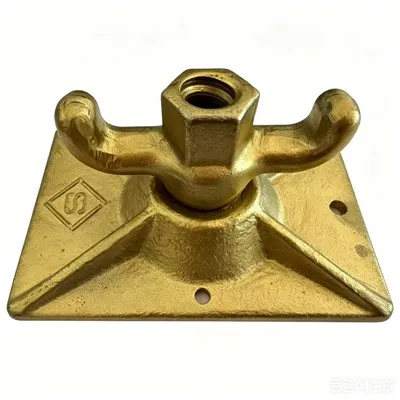
Before delving into the maintenance aspect, it’s essential to understand what scaffolding accessories are. Scaffolding accessories are components used in conjunction with scaffolding systems to enhance their functionality, safety, and adaptability. These include couplers, base plates, putlogs, diagonal braces, and toe boards. Each accessory serves a specific purpose, from connecting scaffolding tubes to providing a stable base or preventing tools and materials from falling off the platform.
The Need for Maintenance
All equipment and machinery require some level of maintenance to ensure optimal performance and longevity. Scaffolding accessories are no exception. Regular maintenance helps to identify and address potential issues before they escalate into safety hazards or lead to equipment failure. It also ensures that the accessories comply with relevant safety standards and regulations, which is crucial for the well – being of workers and the success of construction projects.
Factors Influencing Maintenance Requirements
Environmental Conditions
The environment in which scaffolding accessories are used significantly impacts their maintenance needs. In coastal areas, where there is a high salt content in the air, the accessories are more prone to corrosion. Rust can weaken the structural integrity of couplers, base plates, and other metal components, increasing the risk of failure. Similarly, in industrial areas with high levels of pollutants or in areas with extreme weather conditions such as heavy rain, snow, or extreme heat, the materials of the accessories can deteriorate faster.
Frequency of Use
The more frequently scaffolding accessories are used, the more wear and tear they will experience. In busy construction sites where the scaffolding is assembled, disassembled, and re – assembled regularly, the joints of couplers can loosen, and the surfaces of putlogs and base plates can become damaged. Frequent use also means that the accessories are more likely to be exposed to impacts from tools, equipment, and workers, which can cause dents, cracks, or other forms of damage.
Type of Material
The material of the scaffolding accessories determines their resistance to various environmental factors and wear. For example, steel scaffolding accessories are strong and durable but are susceptible to corrosion if not properly protected. Aluminum accessories, on the other hand, are lightweight and resistant to corrosion, but they can be more prone to scratching and damage from impact. Fiberglass accessories are non – conductive and corrosion – resistant, but they may require special handling to prevent cracking.
Special Maintenance for Different Types of Scaffolding Accessories
Couplers
Couplers are used to connect scaffolding tubes together, and their proper functioning is crucial for the stability of the entire scaffolding system. Special maintenance for couplers includes regular inspection for signs of wear, such as excessive play in the joints, cracks in the body, or damage to the thread. Couplers should be cleaned to remove dirt, debris, and any corrosive substances. If the threads are damaged, they may need to be re – threaded or the couplers replaced. Greasing the joints can also help to reduce friction and prevent rusting.
Base Plates
Base plates provide a stable foundation for the scaffolding. They should be inspected for deformation, such as bending or cracking, which can affect their ability to distribute weight evenly. If base plates are used on rough or uneven surfaces, they may be more likely to become damaged. Concrete residues or other debris should be removed from the base plates regularly to ensure a proper fit with the ground or the supporting structure. In areas prone to corrosion, a protective coating can be applied to the base plates.
Toe Boards
Toe boards are installed along the edges of scaffolding platforms to prevent tools, materials, and workers from falling. They are often made of wood, metal, or plastic. Wooden toe boards can rot or be damaged by pests, so they should be inspected for signs of decay and replaced if necessary. Metal toe boards may corrode, and plastic toe boards can become brittle over time due to exposure to sunlight and other environmental factors. Regular cleaning and the application of appropriate protective treatments can extend the lifespan of toe boards.
Diagonal Braces
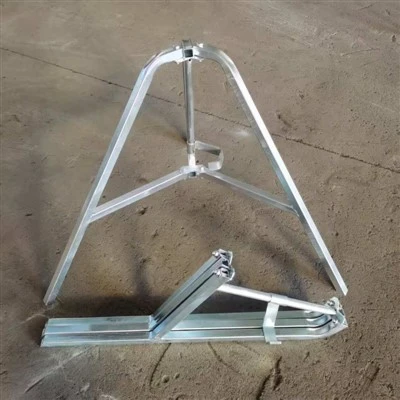
Diagonal braces are used to provide lateral stability to the scaffolding. They should be checked for straightness, and any signs of bending or twisting should be addressed immediately. The connections between the braces and the scaffolding tubes should be inspected for tightness and damage. Welding joints, if any, should be checked for cracks or signs of weakening. Regular painting or coating of diagonal braces can help to prevent corrosion.
Maintenance Procedures
Inspection
Regular inspection is the cornerstone of scaffolding accessory maintenance. A visual inspection should be carried out before each use, and a more comprehensive inspection should be conducted at regular intervals, such as weekly or monthly, depending on the frequency of use and the environmental conditions. During the inspection, look for signs of damage, wear, corrosion, and loose connections. Any defective accessories should be removed from service immediately and either repaired or replaced.
Cleaning
Cleaning scaffolding accessories helps to remove dirt, debris, and corrosive substances that can cause damage over time. For metal accessories, a mild detergent and water can be used to clean the surface. After cleaning, the accessories should be dried thoroughly to prevent rusting. For wooden accessories, a brush can be used to remove dirt, and a wood cleaner can be applied as needed.
Lubrication
Lubrication is important for moving parts, such as the joints of couplers. A suitable lubricant should be applied periodically to reduce friction and prevent rusting. When applying lubricant, make sure to follow the manufacturer’s recommendations to avoid over – lubrication, which can attract dirt and debris.
Storage
Proper storage of scaffolding accessories is also an important part of maintenance. When not in use, the accessories should be stored in a dry, clean, and well – ventilated area. They should be protected from the elements and stacked or arranged in a way that prevents damage. Metal accessories can be stored on racks or shelves, and wooden accessories should be kept off the ground to prevent moisture absorption.
Cost – Benefit Analysis of Special Maintenance
Some may argue that special maintenance of scaffolding accessories incurs additional costs. However, the long – term benefits far outweigh the initial investment. Regular maintenance reduces the risk of equipment failure, which can lead to costly accidents, delays in construction projects, and legal liabilities. By extending the lifespan of the accessories, maintenance also reduces the need for frequent replacements, resulting in cost savings in the long run.
Conclusion
In conclusion, scaffolding accessories do require special maintenance. The environmental conditions, frequency of use, and type of material all influence the maintenance needs of these products. By implementing regular inspection, cleaning, lubrication, and proper storage procedures, the safety and performance of scaffolding accessories can be ensured. As a scaffolding accessories supplier, I am committed to providing high – quality products and sharing maintenance knowledge with my customers.
Formworks If you are in the market for scaffolding accessories or have any questions about their maintenance, I encourage you to get in touch with me. Whether you are working on a small – scale home improvement project or a large – scale commercial construction site, I can offer you the right products and advice to meet your needs. Let’s work together to ensure the safety and success of your construction projects.
References
- Construction Industry Training Board (CITB). "Scaffolding Safety Guide".
- American National Standards Institute (ANSI). "Scaffolding Standards".
- British Standards Institution (BSI). "Codes of Practice for Scaffolding".
Rizhao Wellfit Scafform Co., Ltd.
As one of the most professional scaffolding accessories manufacturers and suppliers in China, we have world-leading production equipment and strong manufacturing capabilities. Please feel free to buy high quality scaffolding accessories at competitive price from our factory.
Address: No. 7, Huasheng Road, Taoluo Town Industrial Zoon, Donggang District, Rizhao City
E-mail: sales@wfscafform.com
WebSite: https://www.wfscafform.com/
