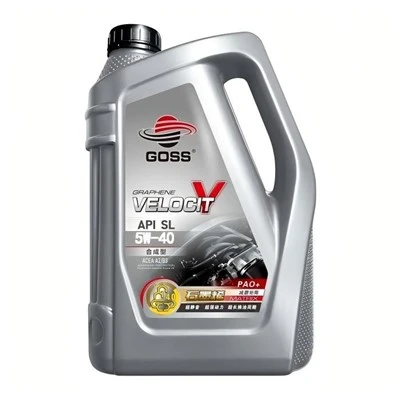
As a seasoned supplier in the metalworking fluid industry, I’ve witnessed firsthand the critical role that these fluids play in the manufacturing process. One of the most important aspects of metalworking fluids is their anti – wear properties. In this blog, I’ll delve into the anti – wear requirements for metalworking fluids, sharing insights from my experience and industry knowledge. Metalworking Fluid
The Significance of Anti – Wear in Metalworking Fluids
In metalworking operations such as machining, grinding, and forming, there is significant friction and wear between the cutting tool or forming die and the workpiece. This friction can lead to several problems, including tool wear, surface finish deterioration, and reduced dimensional accuracy of the workpiece. Anti – wear additives in metalworking fluids are designed to minimize these issues.
Tool wear is a major cost factor in metalworking. When a cutting tool wears out quickly, it needs to be replaced frequently, which not only increases the cost of tools but also leads to downtime for tool changes. By reducing tool wear, anti – wear metalworking fluids can significantly improve the productivity and profitability of a metalworking operation.
Surface finish is another crucial aspect. A poor surface finish can affect the functionality and aesthetics of the final product. Anti – wear additives help to maintain a smooth and consistent cutting or forming process, resulting in a better surface finish on the workpiece.
Anti – Wear Mechanisms
There are several mechanisms by which metalworking fluids provide anti – wear protection:
Boundary Lubrication
In boundary lubrication conditions, the metalworking fluid forms a thin film on the surfaces of the tool and the workpiece. This film consists of polar molecules in the fluid that adhere to the metal surfaces. The film helps to reduce direct metal – to – metal contact, thereby decreasing friction and wear. For example, fatty acids and esters are commonly used as boundary lubricants in metalworking fluids. These substances have a polar head that attaches to the metal surface and a non – polar tail that provides a lubricating layer.
Extreme Pressure (EP) Lubrication
In high – load and high – temperature metalworking operations, such as heavy – duty machining or cold forging, boundary lubrication may not be sufficient. Extreme pressure additives come into play in these situations. EP additives react with the metal surfaces under high pressure and temperature to form a protective film. This film is much harder and more durable than the boundary lubricant film. Sulfur, phosphorus, and chlorine – based compounds are typical EP additives. For instance, sulfur – containing compounds can react with the metal surface to form metal sulfides, which can withstand high loads and prevent scuffing and seizure.
Film Formation and Protection
The metalworking fluid also forms a physical film between the tool and the workpiece. This film can act as a barrier to prevent the transfer of metal particles and debris, reducing abrasive wear. Additionally, some additives can enhance the cohesive strength of the film, making it more resistant to breakdown under stress.
Anti – Wear Requirements Based on Metalworking Processes
Machining
In machining operations, different types of tools are used, such as drills, end mills, and lathe tools. The anti – wear requirements vary depending on the tool type, the material being machined, and the cutting parameters.
-
Tool Material: High – speed steel (HSS) tools generally require a metalworking fluid with good anti – wear properties to prevent blade dulling. Carbide tools are more wear – resistant but still benefit from anti – wear additives, especially when machining difficult – to – cut materials.
-
Workpiece Material: Machining soft metals like aluminum may require a different type of anti – wear fluid compared to machining hard alloys such as stainless steel or titanium. Soft metals tend to form built – up edges on the cutting tool, which can affect the surface finish. Anti – wear fluids for aluminum machining often contain additives that prevent the adhesion of aluminum chips to the tool. In contrast, machining hard alloys requires high – performance EP additives to withstand the high cutting forces and temperatures.
-
Cutting Parameters: Higher cutting speeds, feeds, and depths of cut generate more heat and friction, increasing the wear on the tool. In these cases, metalworking fluids need to have excellent anti – wear and cooling properties. A fluid with a high concentration of anti – wear additives may be required to ensure tool durability and good machining quality.
Grinding
Grinding is a precision metalworking process that requires a metalworking fluid with specific anti – wear characteristics.
- Wheel Wear: The grinding wheel is the cutting tool in grinding operations. The anti – wear properties of the fluid are crucial for maintaining the shape and sharpness of the grinding wheel. A good grinding fluid should be able to reduce the wear of the abrasive grains on the wheel, which helps to maintain a consistent grinding performance and prolong the wheel life.
- Surface Integrity: Grinding can generate significant heat, which can cause burns and residual stresses on the workpiece surface. Anti – wear additives in the grinding fluid can also help to control the heat transfer and protect the workpiece surface. They form a protective film that reduces the friction between the grinding wheel and the workpiece, minimizing heat generation and improving the surface integrity.
Anti – Wear Requirements Based on Metal Types
Ferrous Metals
Ferrous metals, such as steel and iron, are widely used in metalworking. They have different anti – wear requirements depending on their composition and hardness.
- Carbon Steel: Carbon steel is relatively easy to machine. However, anti – wear fluids are still needed to prevent tool wear and improve the surface finish. For carbon steel machining, fluids with a combination of boundary lubricants and mild EP additives are often sufficient.
- Alloy Steel: Alloy steels contain various alloying elements, which can make them more difficult to cut. They require metalworking fluids with higher – performance anti – wear additives, especially EP additives. These additives can withstand the high cutting forces and temperatures generated when machining alloy steels.
Non – Ferrous Metals
Non – ferrous metals, such as aluminum, copper, and brass, also have specific anti – wear requirements.
- Aluminum: As mentioned earlier, anti – wear fluids for aluminum machining need to prevent the formation of built – up edges. Fluids with additives that have good wetting properties and anti – adhesion characteristics are preferred. These additives can help the fluid to spread evenly on the tool and workpiece surfaces, reducing the adhesion of aluminum chips.
- Copper and Brass: Copper and brass are relatively soft metals. Metalworking fluids for these metals should provide good lubrication to prevent scratching and improve the surface finish. Anti – wear additives in these fluids should be gentle enough not to cause excessive chemical reactions with the metals.
Quality Control and Testing of Anti – Wear Properties
As a metalworking fluid supplier, ensuring the quality of our products’ anti – wear properties is of utmost importance. We use several testing methods to evaluate the anti – wear performance of our fluids.
Four – Ball Wear Test
The four – ball wear test is a widely used method to measure the anti – wear properties of lubricants. In this test, three steel balls are clamped together in a triangular arrangement, and a fourth ball is placed on top. The test fluid is then introduced, and a load is applied to the top ball while it rotates. The wear scar diameter on the three lower balls is measured after a certain period of time. A smaller wear scar diameter indicates better anti – wear performance.
Pin – on – Disk Test
The pin – on – disk test involves rubbing a pin made of a specific material against a rotating disk in the presence of the metalworking fluid. The wear rate of the pin is measured, and this can be used to evaluate the anti – wear effectiveness of the fluid. This test can simulate different metalworking conditions by adjusting the load, speed, and contact pressure.
Real – World Testing
In addition to laboratory tests, we also conduct real – world testing in actual metalworking operations. This allows us to evaluate the performance of our fluids in practical applications. We work closely with our customers to collect feedback on tool life, surface finish, and other relevant parameters. Based on this feedback, we can make adjustments to our formulations to meet the specific anti – wear requirements of different customers.
Conclusion
The anti – wear requirements for metalworking fluids are complex and depend on various factors, including the metalworking process, the type of metal being processed, and the specific operating conditions. As a metalworking fluid supplier, we are committed to developing and providing high – quality fluids that meet these requirements. Our in – depth understanding of anti – wear mechanisms and our rigorous quality control measures ensure that our products can effectively reduce tool wear, improve surface finish, and enhance the overall productivity of metalworking operations.
Industrial Lubricating Oil If you’re in the metalworking industry and looking for a reliable metalworking fluid supplier, we would love to discuss your specific anti – wear requirements. Contact us to start a conversation about how our products can benefit your operation. We are here to provide you with the best solutions for your metalworking needs.
References
- ASTM International. Standard test methods for wear preventive characteristics of lubricating fluids (four – ball method). ASTM D4172.
- Machinery’s Handbook, 30th Edition. Industrial Press, Inc.
- Tribology Handbook. Institute of Physics Publishing.
MoGen Lubricating Oils
With abundant experience, we are one of the most professional metalworking fluid manufacturers and suppliers in China. We warmly welcome you to wholesale custom made metalworking fluid from our factory. If you have any enquiry about cooperation, please feel free to email us.
Address: No.8003 Chewang Rd, Economic Development Zone Of Jinan, Shandong Province, China 250301
E-mail: sales@mogenoils.com
WebSite: https://www.mogen-oil.com/
